

Journey of a de-transitioner: Zara
Zara’s story of searching for identity, exploring gender transition and encountering Jesus along the way.
Initially, what made you want to change your gender?
I wanted to change my gender because I thought I would be happier being a male. There are a few reasons I was unhappy with being a girl. In primary school, I was a tomboy who liked playing sports and video games, and doing typical guy activities. As I got older, the other tomboys my age grew out of “boyish things” while I continued finding it difficult to enjoy feminine activities.
The media often portrays teenage girls as ditsy, unintelligent and weak. These stereotypes, some trauma I had experienced at a young age, and resulting mental health issues meant that I was easily convinced to follow this new thing I found on the internet called “transgender.”
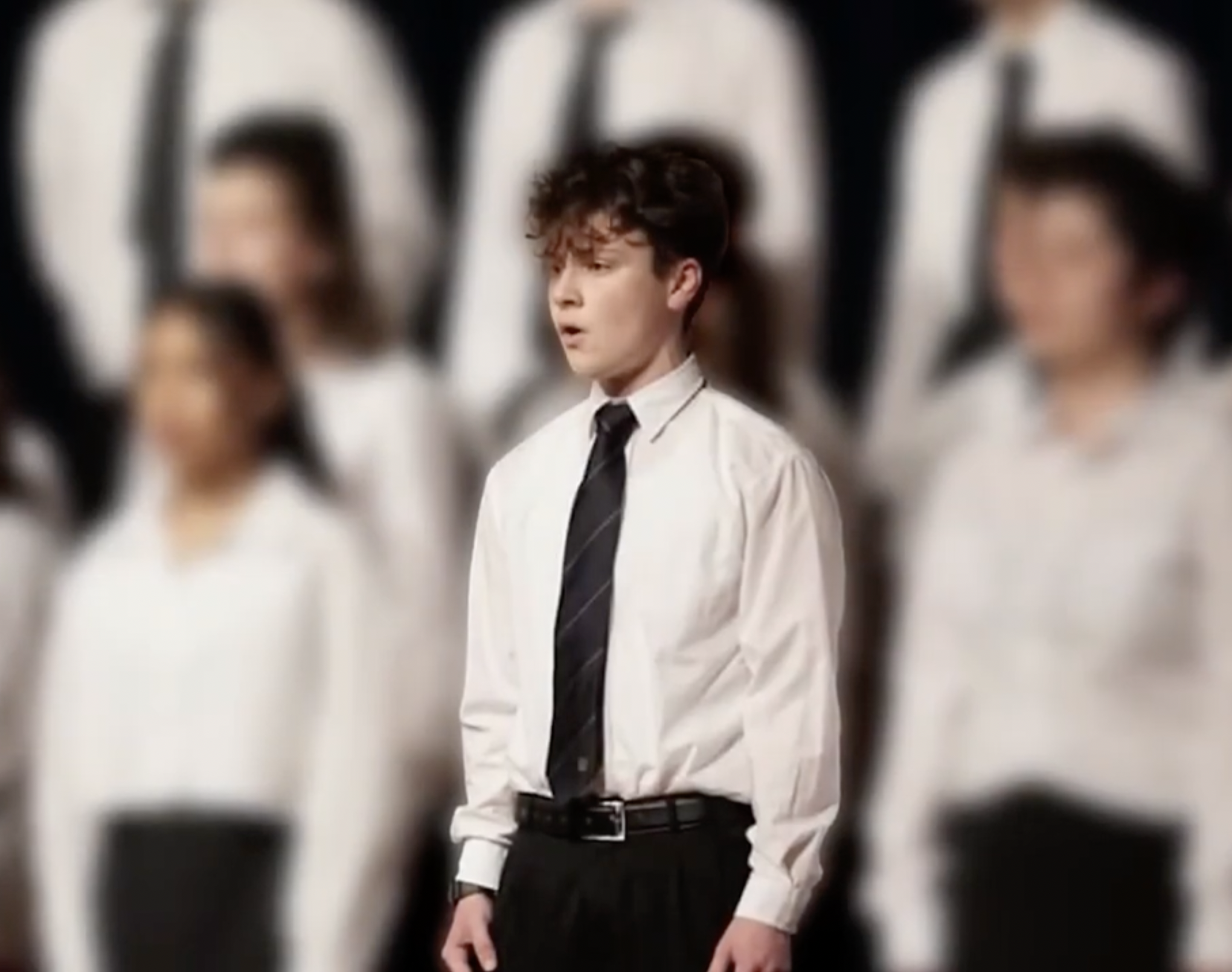
What did the transitioning journey look like for you?
My transitioning journey started when I was 13 years old. I changed my name, pronouns and haircut. I was already dressing in boys’ clothes (mostly because they were comfortable and the shorts were a nicer length), but dressing in a masculine way meant making
my shoulders broad, trying to appear taller, and binding my breasts to make them look smaller. I started going to therapy appointments and eventually saw a doctor who specialised in “transgender healthcare” through the public health system. This doctor prescribed me puberty blockers at the age of 15 and I took them every 12 weeks for a year and a half. They stopped my menstrual cycle and gave me menopause-like symptoms, notably increased anxiety and unpredictable mood swings.
At 16 years old I started synthetic testosterone, regularly increasing the dose as the doctor prescribed. This resulted in faster muscle growth, facial hair, deepened voice, and many other physical and emotional changes that appear in a male puberty. Not long after, I was put on the waiting list for plastic surgery to remove my breasts (a procedure colloquially named “top surgery” by medical professionals). To put it simply, this all stemmed from pursuit of fulfilment and the fear of being a woman.
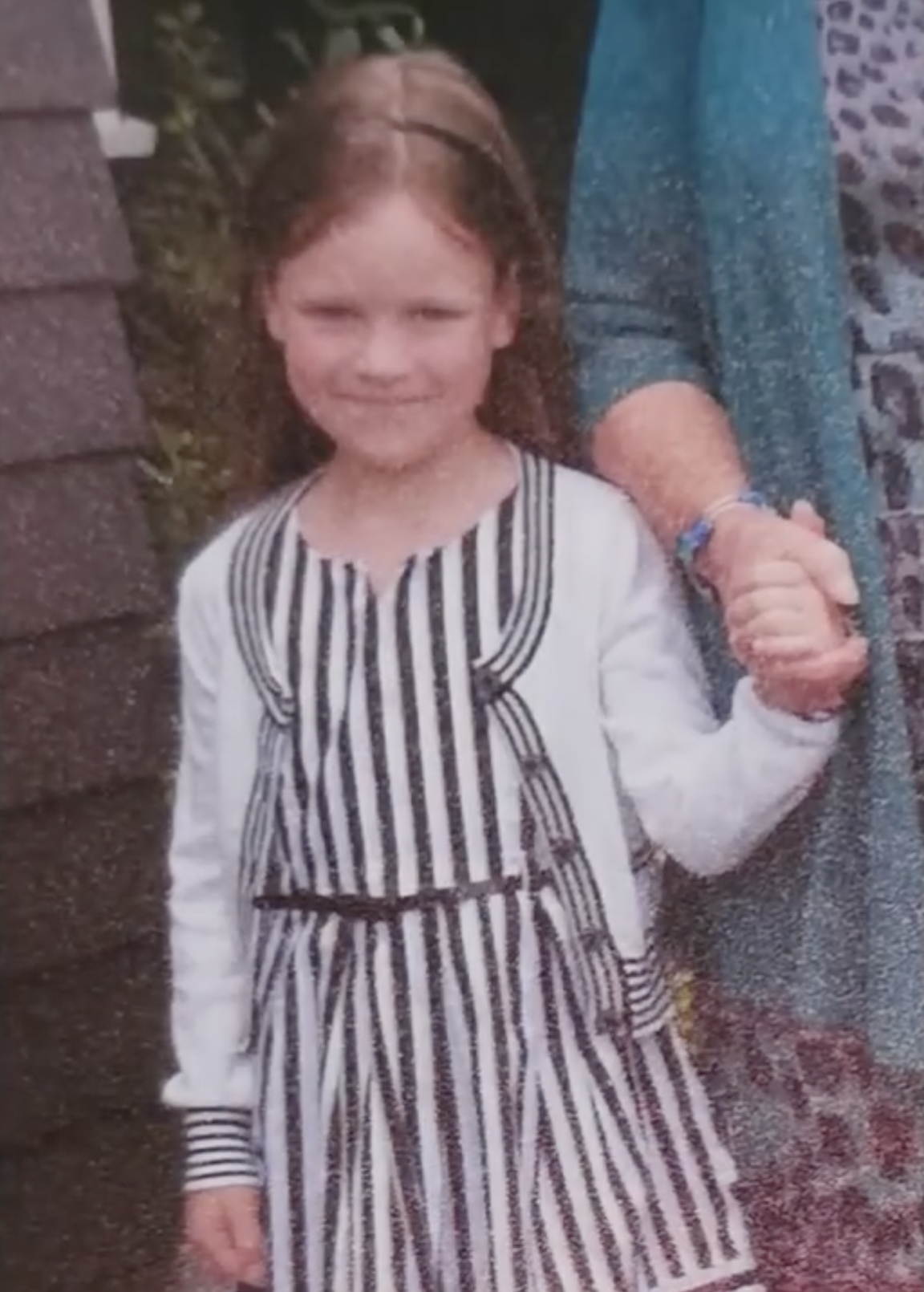
Why did you decide to de-transition, and how did your faith factor into this?
I grew up in a Christian family, and gave my life to Jesus when I was nine years old. I couldn’t have put it into words at the time, but something stirred in my spirit when I made that decision. Instead of being afraid of death, I felt a sense of peace and knew that God would be with me both in this life and the next. The Lord prompted me to speak to my dad, and he led me through a prayer. Going back to my de-transitioning journey, I couldn’t escape a feeling that something was wrong.
Eventually, I prayed “God, there is something I have to do, but I don’t have the strength to do it. Please help me.”
It was a simple prayer that changed my life. That prayer was preceded and followed by many events, conversations, people I met, videos I watched, and much more, that made me realise I was rejecting God’s design for my life. So I decided I needed to, but also wanted to, change how I was living.
I started listening to an album Ballads of the Song of Solomon by Stephanie Quick, which led me to want to learn more about God. I began reading a book titled Systematic Theology by Wayne Grudem. I landed on a chapter called Man as Male and Female, which explained the difference between the biblical roles of men and women. For the first time, I read something that challenged the perspective I held. I was quite surprised to learn that being female didn’t make me less valuable than men. This, along with other things, changed my mind and the Holy Spirit led me to repent and fully pursue what God had intended for me as a woman.

What has God been teaching you post-de-transition?
During my time of detransitioning, I learned how important it is to trust God. He has shown me that even when I get things wrong, He is always there. God gave me signs to remind me of His nearness throughout my journey.
For example, when I decided to de-transition, I also decided to get baptised in order to publicly declare my faith. Multiple different people who were praying for me at this time gave me the scripture Isaiah 40:28-31.
Verse 31 in particular is significant for me: “But those who hope in the LORD will renew their strength. They will soar on wings like eagles; they will run and not grow weary, they will walk and not faint.”
Even now, I know that God is always with me. I rely on Him, knowing that my obedience to live as He designed me will enable me to flourish and serve Him.
What advice would you give to someone who is in a similar situation?
Once, I was in a doctor’s appointment with my trans specialist doctor. I was around 15 years old and had been on puberty blockers for a while. The doctor was assessing whether I was mentally ready to begin taking testosterone. One of the questions I was asked was, “Can you imagine being a woman in your 20’s and 30’s?” Instantly, I said, “Ew, no.” I responded quickly enough that there wouldn’t be time for me to be questioned.
However, the doctor didn’t see that before those words came out, I thought, for less than a second, “That wouldn’t be so bad.” Then I quickly shoved that thought into the back of my mind. Being a young person with a growing mind and body is difficult and challenging, but it shapes you to become who you are as an adult. It’s okay to go through puberty and find it difficult, but don’t let that stop you from becoming the person God knit together while you were in your mother’s womb.
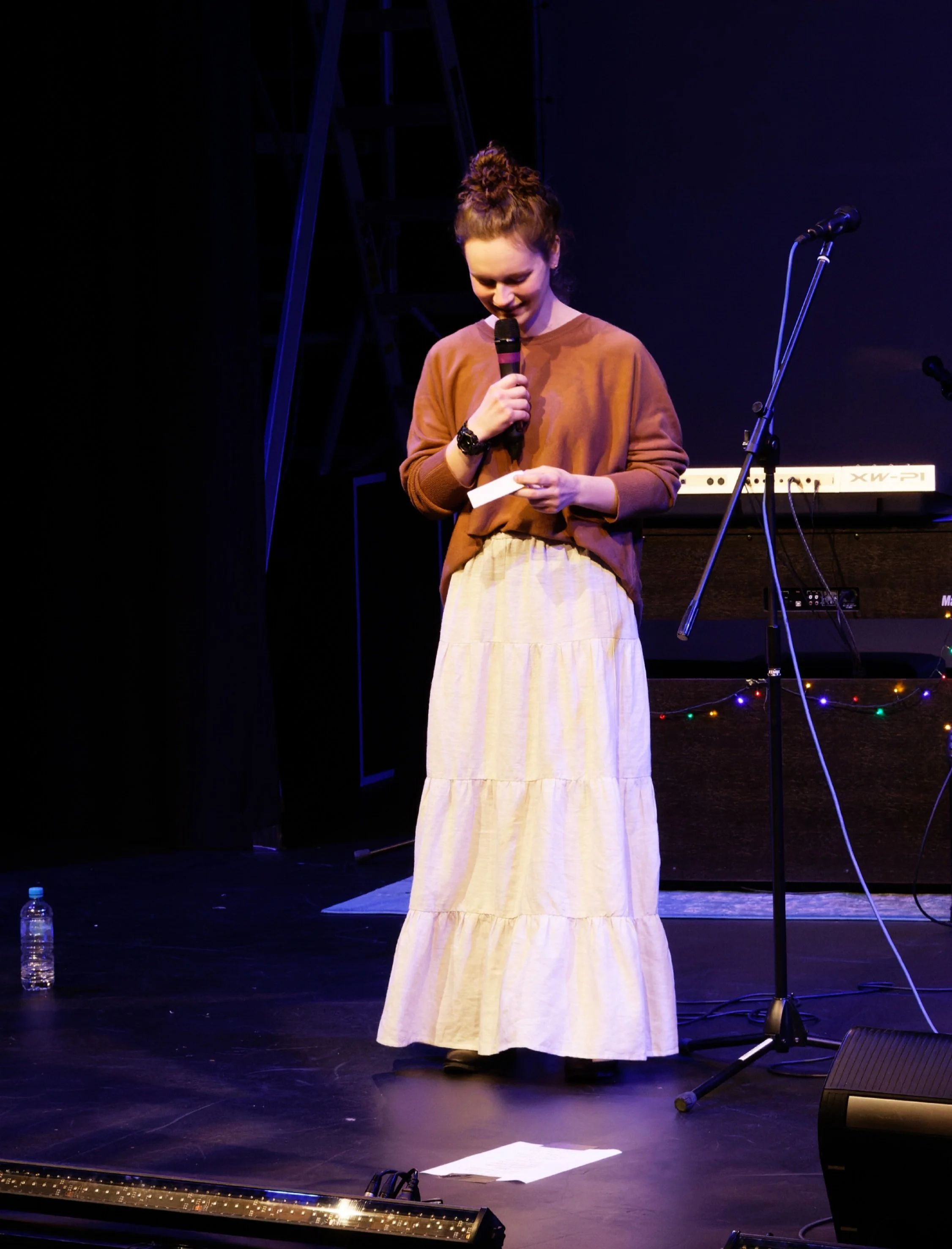
Prayer Points: Transgenderism in Aotearoa
Many of us personally know people who have changed their gender, or have seen the impact transgender ideology is having on our communities. As followers of Jesus, how can we pray?
• That people who have changed their gender - or are considering it – would know that they are deeply loved by God and perfectly created, and would come to know Jesus as their Saviour and Lord.
• For the church in Aotearoa to minister to the queer community in love and strength of conviction, but not to give in to condemnation or fear.
• For God’s forgiveness and mercy to be shown to healthcare professionals who provide this service; that they would understand the truth about what they’re doing and repent.
• Consider your own heart, and ask God to bring to light any unforgiveness or bitterness towards the queer community, the media, the government or individuals so that you can repent and leave it at the cross.
The Strangers Editorial Team